Tucson heat arrives early and refuses to be subtle. A working air conditioner is not a luxury here, it is a daily necessity that affects sleep, health, and the livability of a home. When an AC fails in midsummer, decisions you make in the first hour and the contractor you call can mean the difference between a quick fix and an expensive replacement. I have responded to calls at 3 a.m., guided homeowners through warranties, and watched a dozen systems fail for the same avoidable reasons. This piece is written for Tucson homeowners who need clear, practical guidance on emergency AC repair near me — how to triage the problem, what to expect from an HVAC company, and when to push for repair versus replacement.
Why it matters right away Indoor temperatures can climb 5 to 10 degrees above outdoor temps within a day if an AC is off, especially in a house with large windows or poor attic insulation. For infants, elders, and anyone with respiratory or cardiovascular conditions, that rise is not just uncomfortable, it is dangerous. Even for healthy adults, humidity and heat increase stress on pets, food storage, and electronics. Acting quickly reduces risk — and limits the cascade of damage that follows a failed run capacitor, burned-out compressor, or refrigerant leak.
How most Tucson AC emergencies begin From my experience, three scenarios account for the majority of emergency calls here. The first is simple power issues: tripped breakers, blown fuses, or a malfunctioning thermostat. The second is mechanical failure, typically compressors or capacitors that die after a hard summer. The third is airflow problems — blocked filters, clogged drain lines, or failing fan motors. Each looks similar at first: warm air, strange noises, or a complete stop. The right response differs depending on which of those is the root cause.
Immediate steps to take (short checklist) If your AC stops working and you think you need emergency service, follow these five actions in order. They stabilize the situation and give a technician useful information.
Turn the thermostat to off, then back to cool at a higher temperature, and observe whether the fan runs. Check the main breaker and the disconnect at the outdoor unit for tripped switches and reset if safe. Inspect the indoor air filter and replace it if dirty; a clogged filter can mimic a system failure. Look and listen at the outdoor unit: is the fan spinning, is there ice on the coils, is there a burning smell? Note any abnormal signs. Call an HVAC company and describe what you tried and observed, including thermostat settings and any noises.Those five steps will not fix a failed compressor or a refrigerant leak, but they prevent further damage and give the HVAC tech a head start. If you detect a burning smell, switch the system off and call immediately. If you see refrigerant pooling or an unusual hissing, keep people and pets away from the area.
How to pick the right HVAC contractor during an emergency Not every “HVAC company near me” is equally suited to an emergency call. In Tucson, a fast response matters but so does expertise and licensing. Here are four practical criteria I use when vetting a contractor over the phone.
Confirm state license and local business address; ask for the license number and check it if you can. Ask whether the technician is NATE-certified or has manufacturer-specific training for your brand. Get a clear estimate of trip fees, emergency dispatch rates, and after-hours premiums before scheduling. Request a written estimate and a warranty on parts and labor; a reputable contractor stands behind work even if it is urgent.A contractor who refuses to provide a license number, gives vague pricing, or demands full payment in cash is a red flag. On the other hand, a company that offers clear after-hours policies, transparent pricing, and a technician who arrives in a uniform with a stocked van usually saves you money and headache in the long run. Using local providers like Plunkett Home Services can be an advantage because they have local parts suppliers and a track record with community homes.
Expectations for the on-site visit When the technician arrives, the best outcomes come from clear communication. Tell them what you observed and what you tried. Good technicians will perform a sequence of diagnostic steps: verify thermostat operation, measure voltages at contactors, check refrigerant pressures, inspect condenser and evaporator coils, and test airflow. Expect a visible checklist or at least a verbal walkthrough of those steps. If the problem is a failed capacitor, the repair can take 30 to 90 minutes with a modest parts cost. A compressor failure can take longer and cost significantly more, often triggering the question of replacement versus repair.
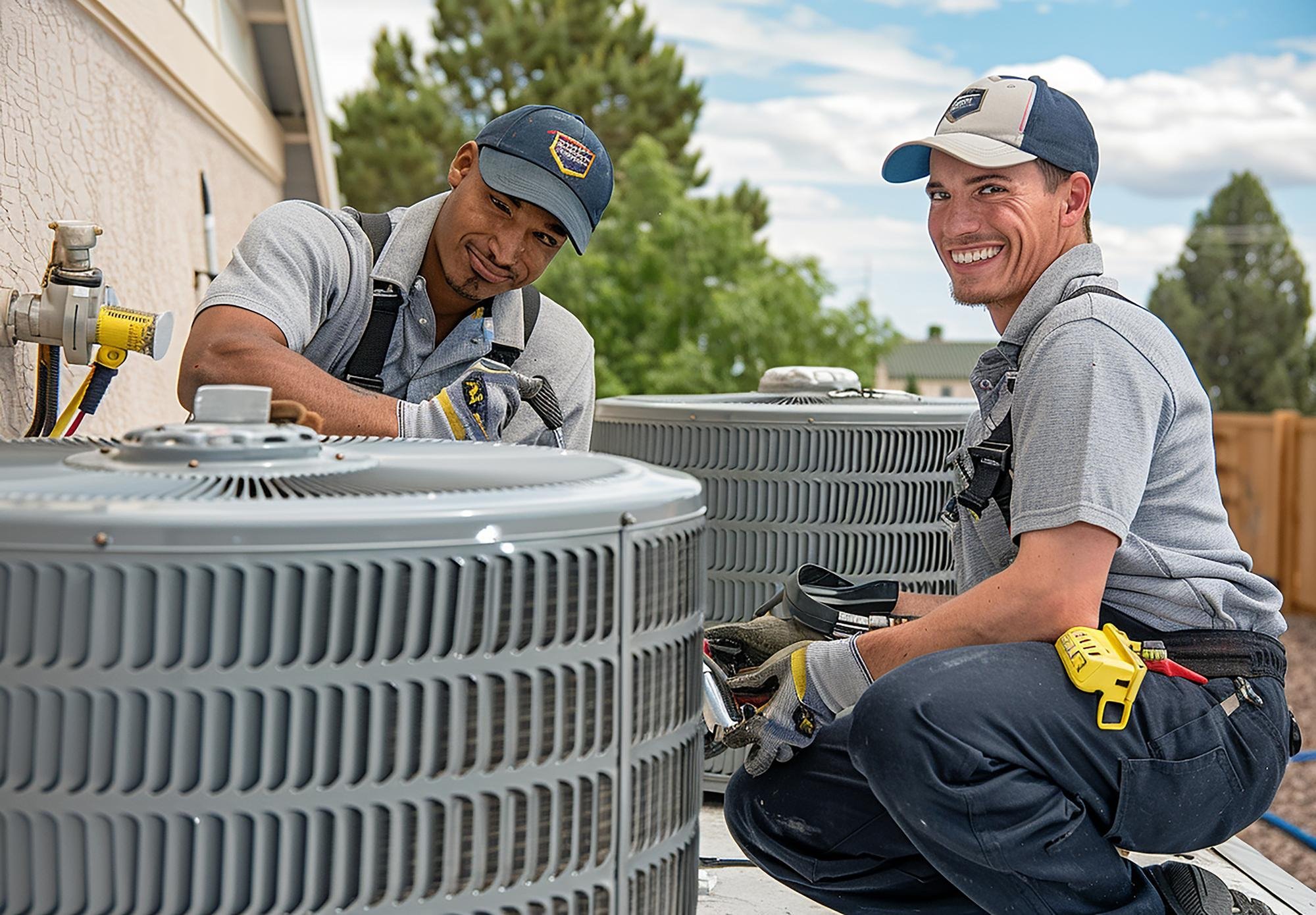
Real costs and tough choices On an emergency call in Tucson, parts and labor alone will vary. Short, practical ranges that reflect local market realities are helpful. A capacitor replacement typically runs from about $150 to $350 total. A fan motor or contactor can cost $200 to $500. Compressor replacements, which may require a new matching refrigerant charge and additional components, generally range from $1,200 to $3,500, depending on unit size and accessibility. If your system is older than 12 to 15 years, the financial case often favors replacement rather than repairing a major component like the compressor. Replacement gives you better efficiency, a new warranty, and fewer emergency calls in subsequent summers.
When repair makes sense and when to replace I make this recommendation to homeowners all the time: if the repair cost exceeds 50 percent of a high-quality replacement and the system is over 10 years old, replacement is usually the wiser choice. There are exceptions. If you have recently invested in the ductwork, new thermostats, or a warranty that covers major components, repairing might extend the system’s life without throwing away prior investments. If the problem is a single, inexpensive part and the home has a newer, properly sized system, repair is almost always the right move.
Hidden costs that change the calculation Don’t forget the non-obvious expenses. An old system with a failing compressor might have an inefficient coil, contaminated refrigerant, and weak airflow from a duct leak. Replacing only the compressor without addressing those issues is a temporary fix; those combined repairs can add up. Similarly, if an emergency repair happens in August and you plan to sell within a year, a new system can increase marketability and justify the expense. Consider energy savings as well: a modern high-efficiency AC can reduce cooling bills noticeably, so factor projected energy savings into the replacement decision.
What to expect after the emergency repair A professional company will leave you with documentation: a service ticket showing diagnostics, parts used, measurements taken, and warranty details. They will also explain preventive steps you can take to avoid repeat failures. If the repair was a short-term patch because parts were unavailable at night, schedule a guaranteed return visit to finish the job. Ask the technician to demonstrate system operation before they leave, and get contact information for after-hours follow-up in case symptoms return.
Preventive maintenance that prevents emergencies Most emergency calls are preventable. Annual maintenance catches weak capacitors, worn bearings, dirty coils, and small refrigerant leaks before they become catastrophic. For Tucson homes, plan for a spring tune-up that includes coil cleaning, refrigerant verification, thermostat calibration, blower motor inspection, and a condensate drain flush. Expect to pay a hundred to two hundred dollars for a thorough maintenance visit, a small price compared with an emergency compressor replacement. If you have a warranty or service agreement with an HVAC contractor, you https://angelolbng112.theburnward.com/how-to-choose-the-best-hvac-contractor-for-ac-repair-in-tucson-1 will often get priority scheduling during heat waves and discounts on parts, which matters when response times are stretched.
Airflow and home improvements that reduce emergencies Sometimes the pattern of failures traces back to the house, not the equipment. Poor attic insulation, leaky ducts, and undersized equipment make systems work harder and fail sooner. In Tucson, shading, attic ventilation, and reflective roof coatings reduce load. Sealing ducts and adding proper insulation reduce runtime and extend component life. If you have central AC and rooms that feel different, consider a duct assessment; uneven airflow increases runtime and component wear. When you consult with an HVAC contractor, ask them to evaluate the home load and duct system, not just the outdoor unit. A good tech will point out these trade-offs and explain which fixes save the most money over five to ten years.
Beware of common scams and high-pressure tactics The heat creates a market for opportunists. Common ploys include scare pricing for "immediate" full replacements, insisting on full payment upfront, or claiming parts are unavailable unless you choose a high-priced option. Do not sign long-term contracts or financing without reading terms. Ask for itemized estimates and get a second opinion if a suggested repair seems extreme. Reputable local companies will provide clear warranties and will not lock you into a roof-mounted or hard-to-service unit without explaining why.
Why local expertise matters: a note on Plunkett Home Services Local contractors understand Tucson’s climate, permit requirements, and common failure points. Plunkett Home Services, for example, operates repeatedly in the same neighborhoods, which means they can often predict issues before they happen and access local parts quickly. A company with a local presence will have technicians familiar with common brands in the area, and they can advise on system sizing that matches our extreme summer loads. When you search for "HVAC contractor" or "HVAC Service Near Me," prioritize companies that list a local address, provide transparent pricing, and have verifiable customer reviews. That combination tends to produce better outcomes than the cheapest option you find.
What to have ready when you call When you place that emergency call, having a few pieces of information speeds diagnosis and helps the dispatcher send the right technician. Be ready to provide the system make and model if possible, the age of the unit, any recent service history, and a clear description of symptoms and noises. Tell them whether the system has had recent work or refrigerant service. If you have maintenance records or a service agreement, mention it; that often changes both response priority and cost.
Aftercare and monitoring After the emergency is resolved, track system performance for the next week. Note run times, temperature differentials between supply and return vents, and any recurring sounds. Keep the thermostat set to a reasonable schedule and maintain clean filters. If the technician left recommendations for further work, schedule it sooner rather than later. Minor changes implemented quickly are almost always cheaper than emergency returns.
Final practical tips for Tucson homeowners Plan for heat by scheduling preventive maintenance in spring and by keeping replacement reserves if your system is over 10 years old. When searching for "HVAC repair" or "Ac installation in Tucson," find a contractor with clear pricing and local experience. If you need emergency service, prioritize safety: avoid DIY electrical work, do not attempt refrigerant repairs, and keep people and pets away from visible leaks. A calm, informed approach gets you faster results and fewer regrets.
If your system goes down, remember these essentials: stabilize the situation, document what you observe, call a reputable local HVAC company, and weigh repair costs against the age and condition of your equipment. The right contractor will not only fix the immediate problem but will help you plan to avoid the next emergency. In Tucson heat, that kind of partnership matters every summer.
Plunkett Home Services
3144 E Fort Lowell Rd, Tucson, AZ 85716, United States
+1 (520) 808-2743
[email protected]
https://callplunkett.com/